Mechanics of Epithelial Layers
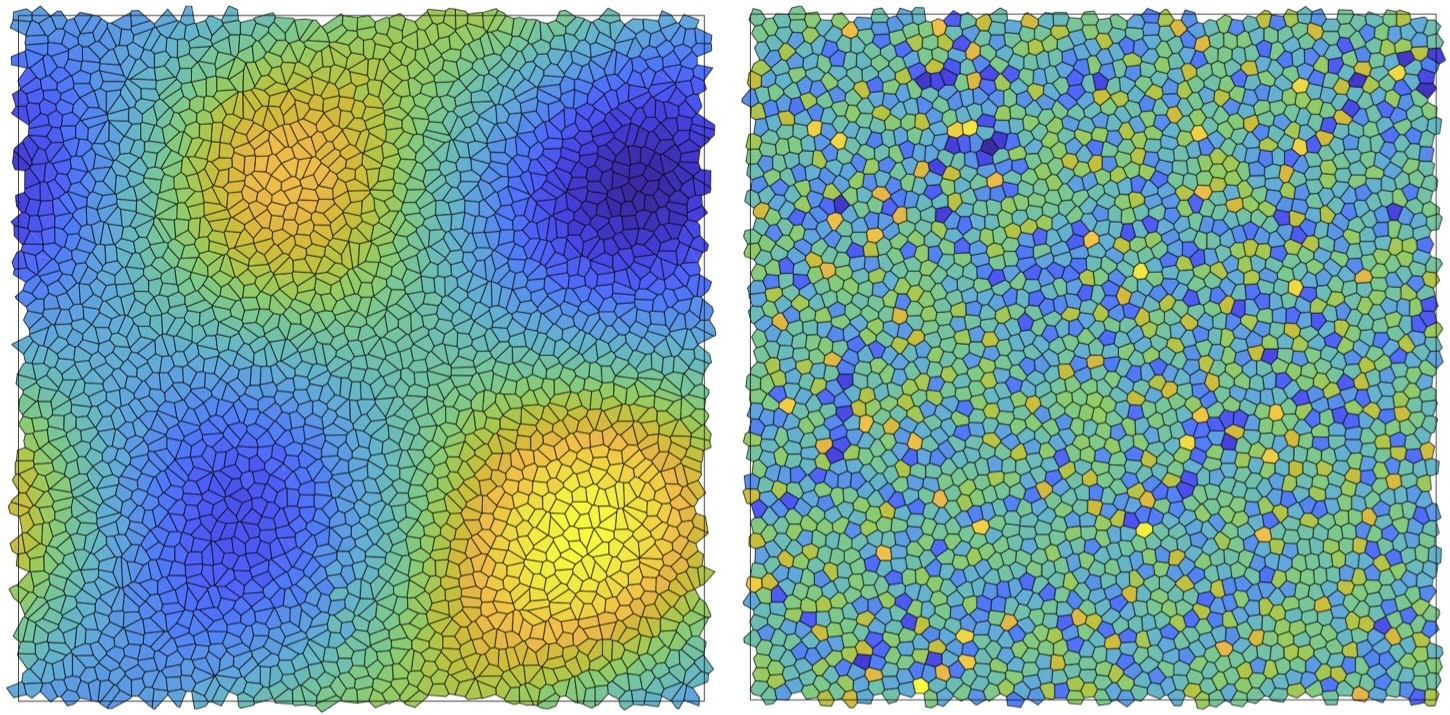
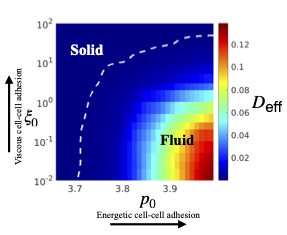
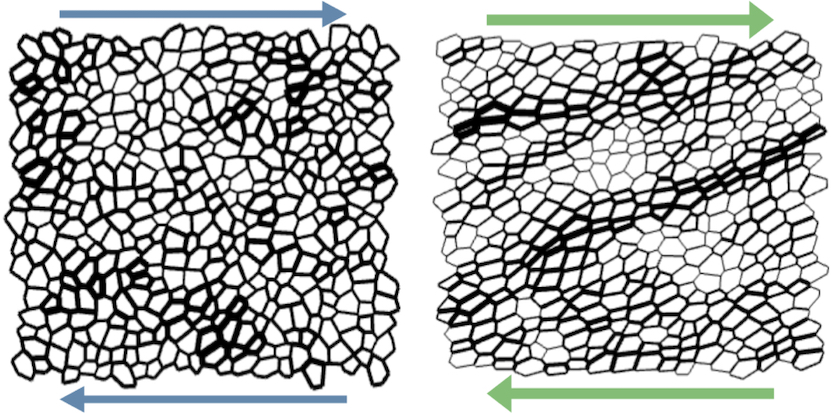
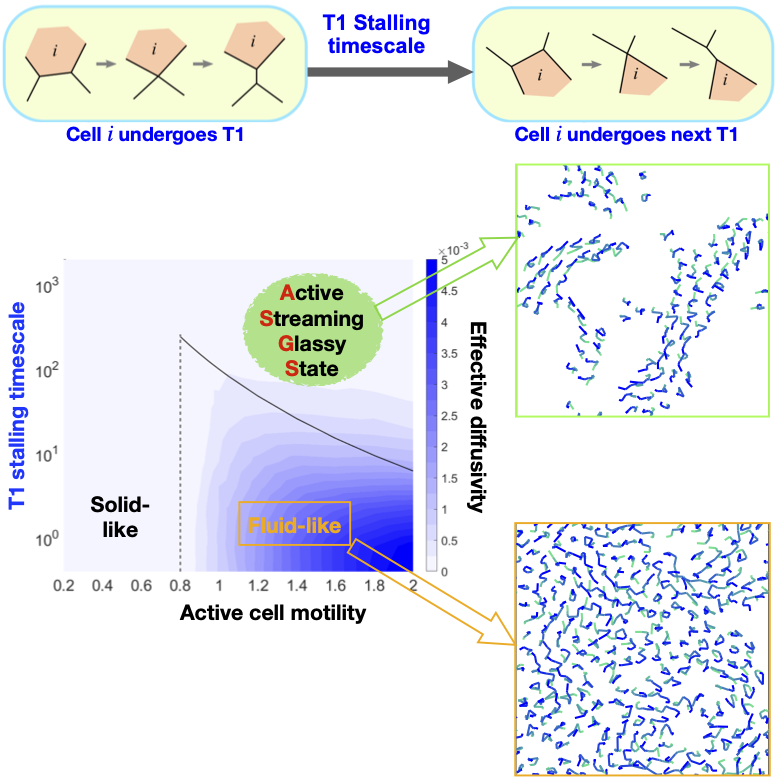
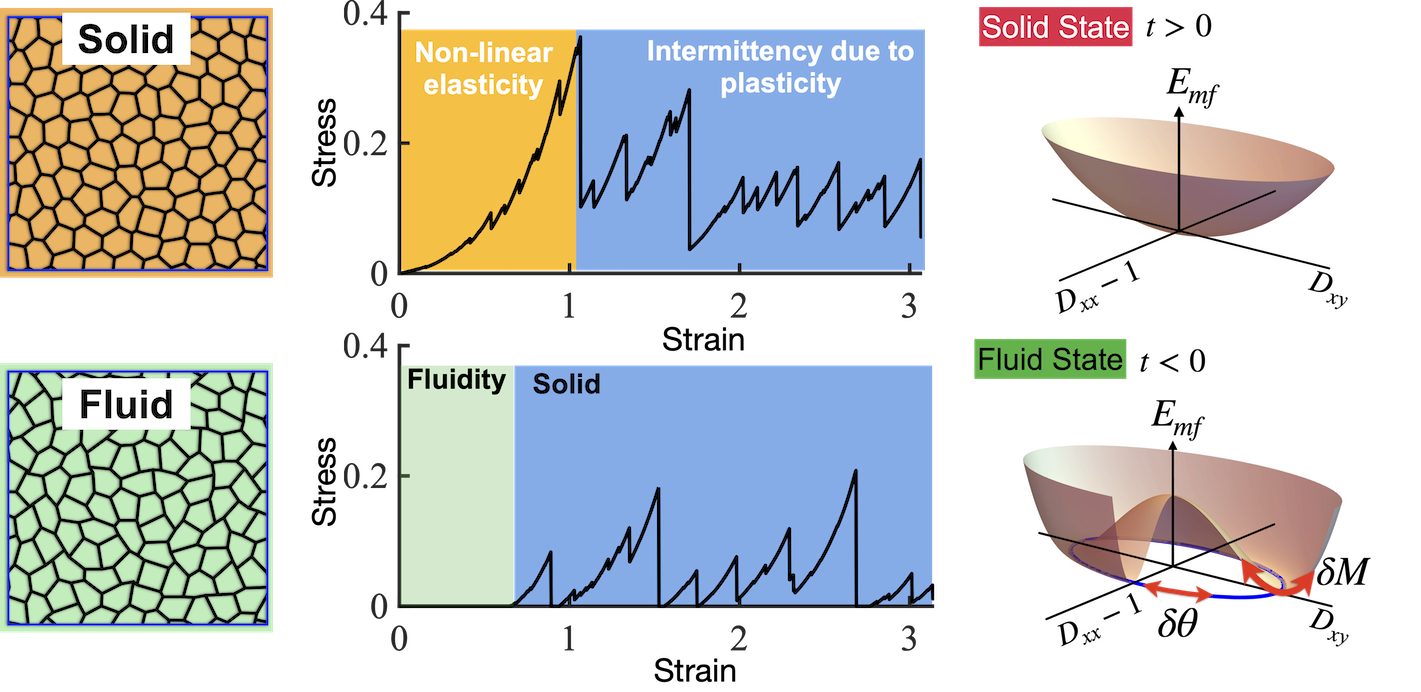
Epithelial tissues form continuous sheets that line organs and body cavities. Despite being only a single cell layer thick, these tissues exhibit remarkably rich mechanical behaviors. Our group develops theoretical models based on vertex and Voronoi descriptions to understand the rigidity transitions in confluent tissues — transitions that occur without changes in cell density. We study how cell shape, cortical tension, and cell-cell adhesion collectively determine whether a tissue behaves as a solid or a fluid. This work has direct implications for understanding wound healing, embryonic development, and organ morphogenesis.
The Physics of Cancer
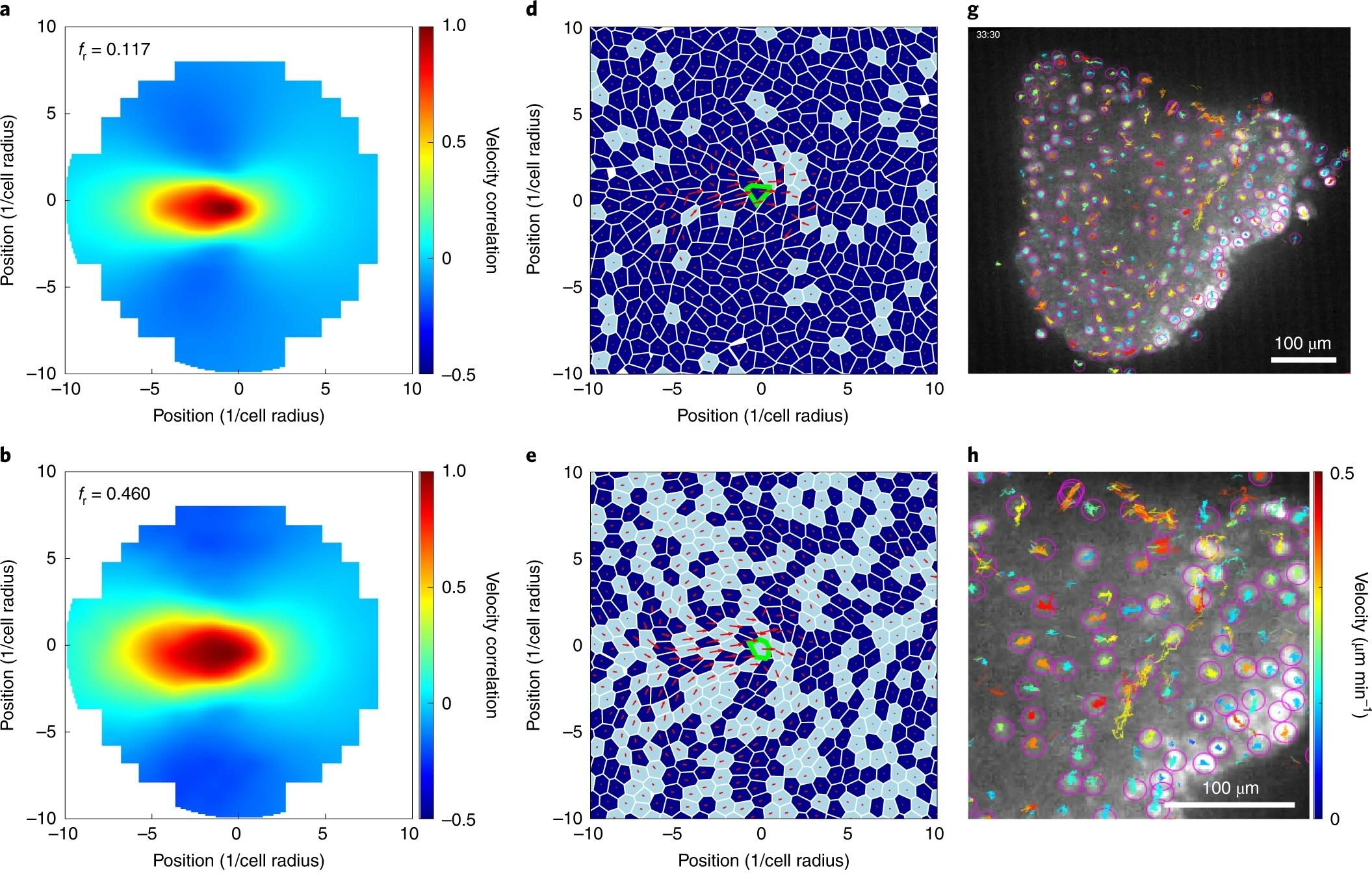
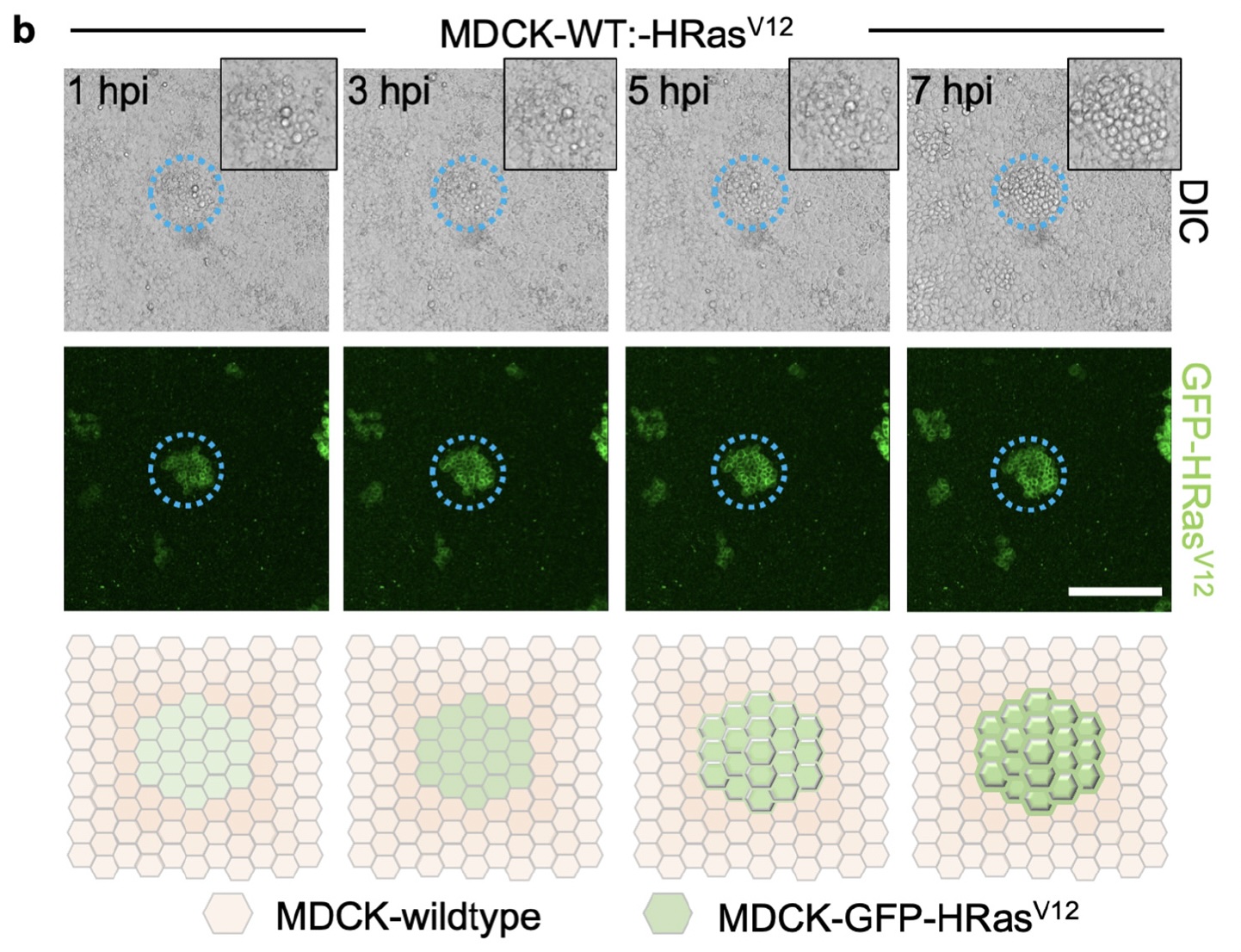
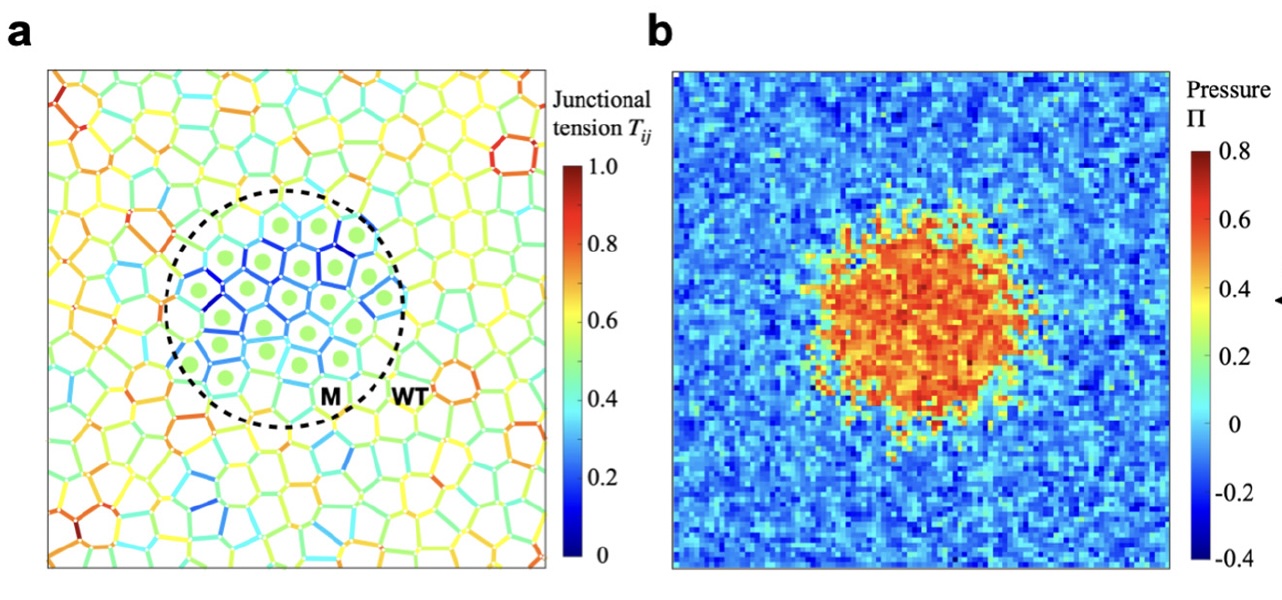
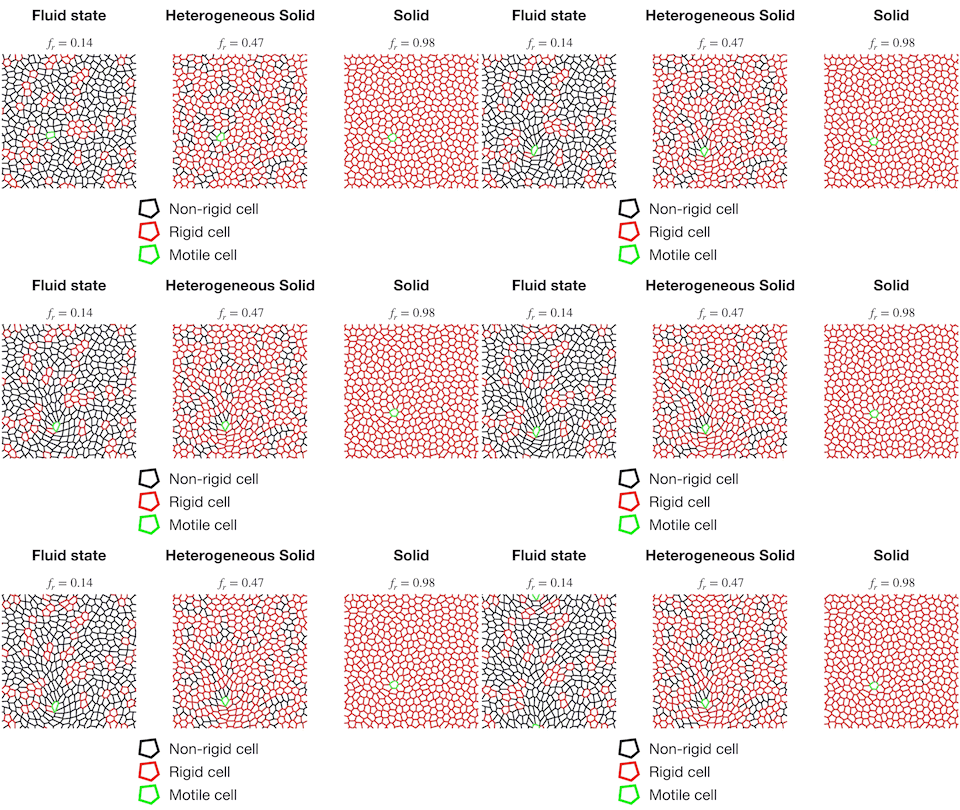
Cancer progression involves dramatic changes in the mechanical properties of both individual cells and the tissue microenvironment. Our group investigates how mechanical heterogeneity between cancer cells and their healthy neighbors influences tissue rigidity and controls cellular invasion. We have shown that even small populations of softer cancer cells within a rigid normal tissue can dramatically alter the mechanical landscape, creating pathways for invasion.
Cellular Dynamics on Curved Surfaces
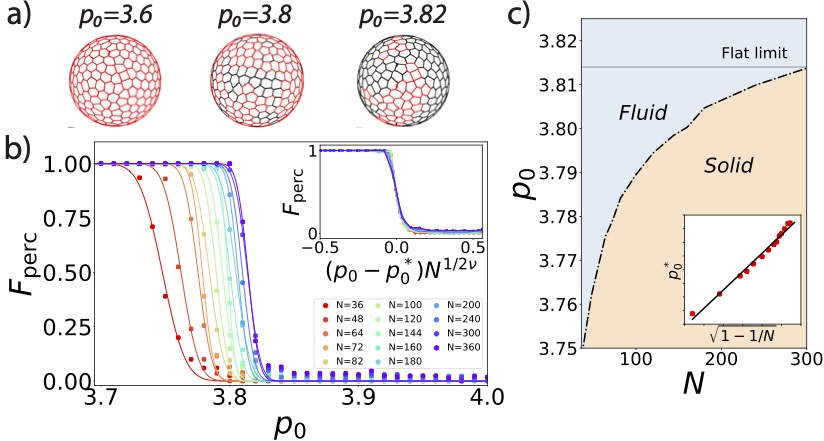
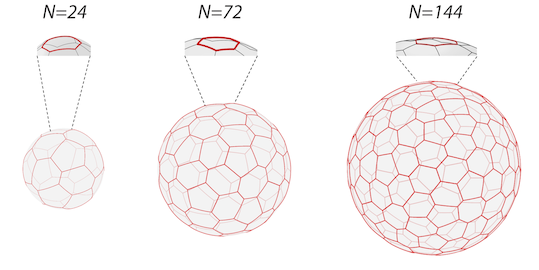
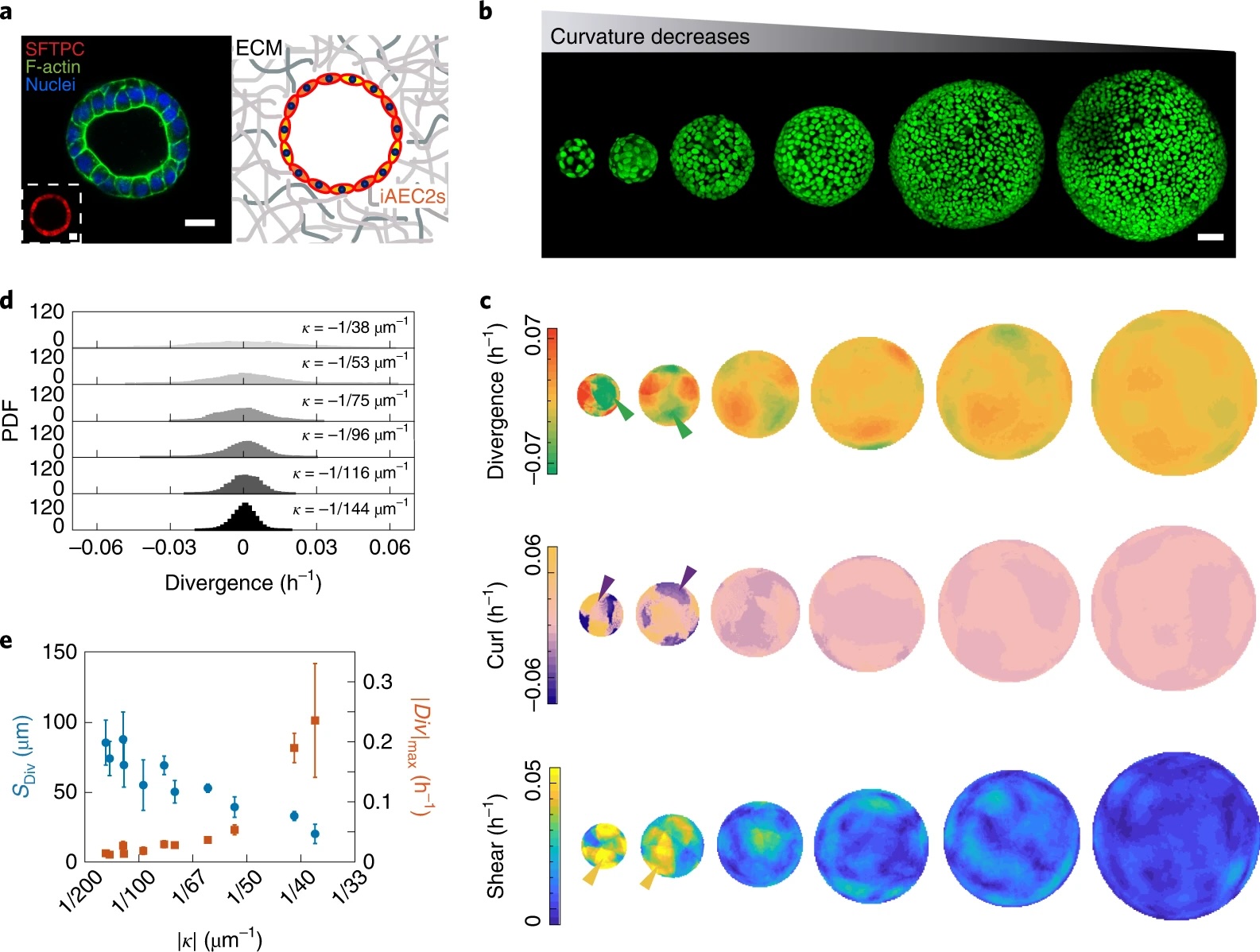
Most biological tissues develop and function on curved surfaces — from the spherical geometry of embryos and organoids to the complex folds of the intestinal lining. We study how geometric curvature affects collective cell behavior, tissue organization, and mechanical properties. Our work reveals that curvature can fundamentally alter the unjamming transition, providing tissues with an additional mechanism to regulate their fluidity.
Amorphous Metamaterials
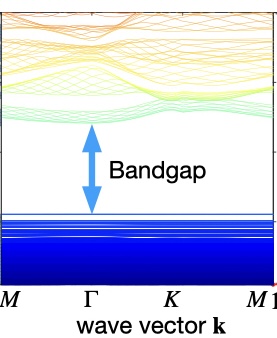
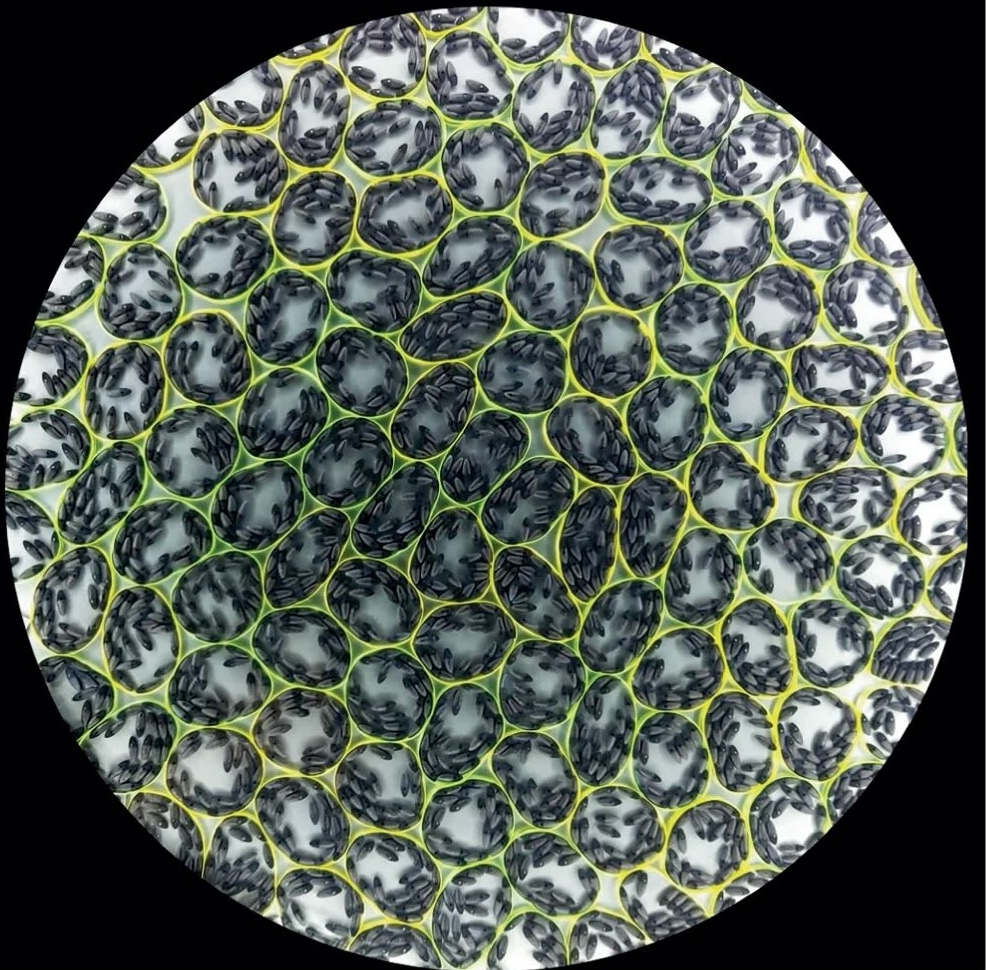
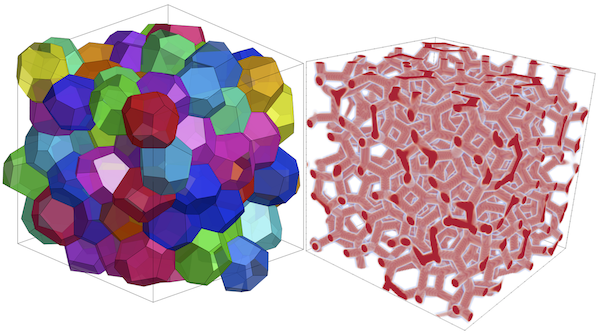
Inspired by the disordered structures found in biological tissues, we design amorphous metamaterials with tunable mechanical and optical properties. Unlike crystalline metamaterials that rely on periodic unit cells, our tissue-inspired designs exploit the rich structural features of disordered cellular networks to create materials with acoustic band gaps and novel mechanical responses.
Hyperuniformity in Cellular Structures
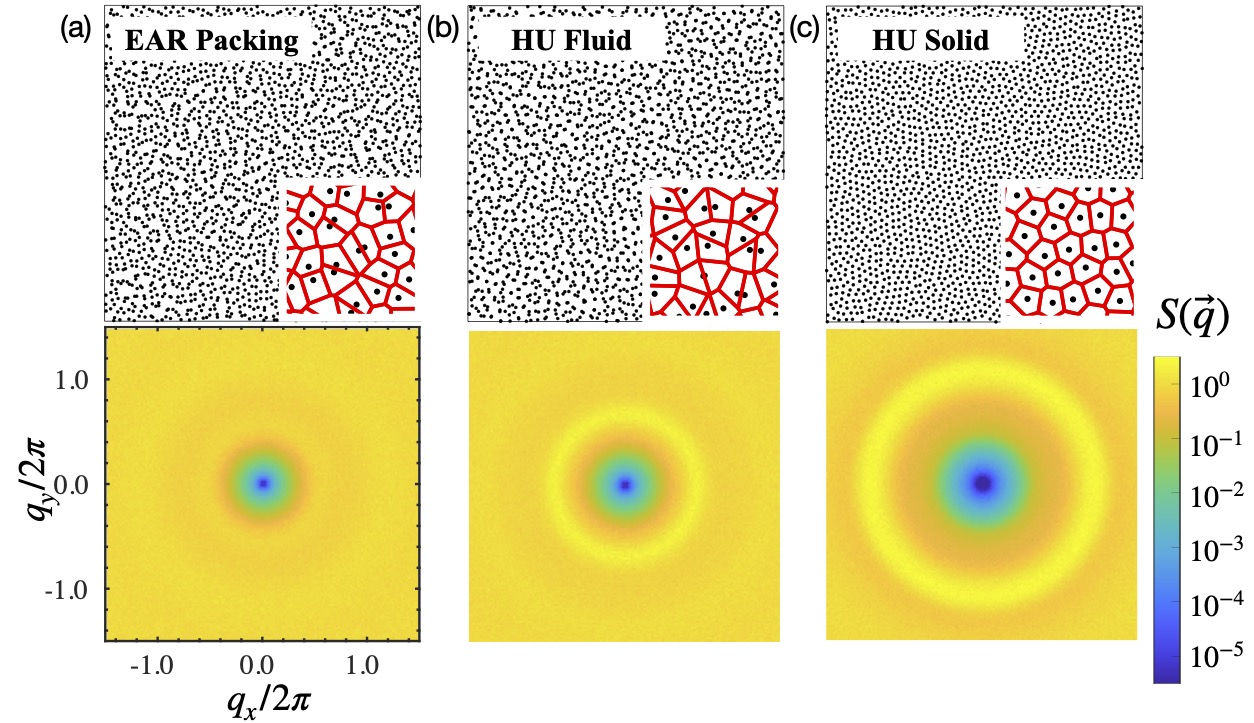
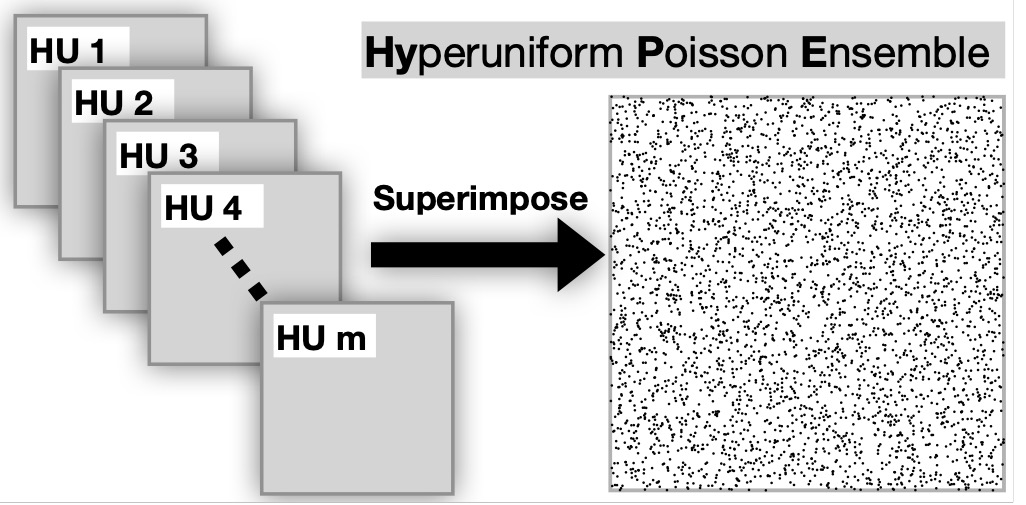
Hyperuniform states of matter exhibit an anomalous suppression of long-wavelength density fluctuations, placing them between perfect crystals and typical disordered systems. Our group investigates how hyperuniformity emerges in biological cellular structures and what functional advantages it may confer. We study the interplay between cell mechanics, tissue geometry, and hidden structural order to understand how living systems achieve and exploit this exotic form of organization.
- Tang, Y., Li, X., & Bi, D. “Tunable hyperuniformity in cellular structures.” arXiv (2025). arXiv